
Best Colors for Your Skin Tone: A Simple Guide
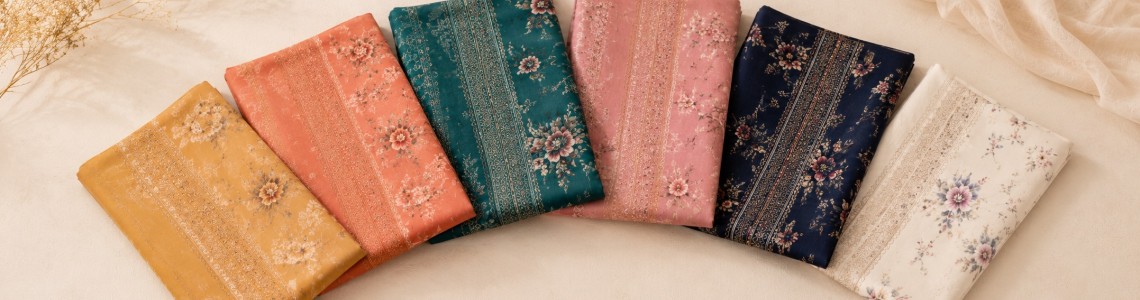
The same shade of green can look completely different on two people, and it usually comes down to undertone, not preference. Once you know whether you lean warm, cool, or neutral, choosing colors for a three-piece suit or hijab stops being guesswork. Here's a simple way to test your undertone at home, and exactly which colors to reach for once you know it.
In This Guide
A 2-Minute Undertone Test
Check the veins on the inside of your wrist in natural daylight. If they look more green, you likely have a warm undertone. If they look more blue or purple, you likely lean cool. If you genuinely can't tell, or they look somewhere in between, you likely have a neutral undertone — which is good news, since neutral undertones can wear the widest range of colors.
A second check: hold something gold and something silver near your face. Warm undertones usually look better in gold, cool undertones in silver, and neutral undertones look fine in either.
"It's not that a color is wrong for you — it's that the same color in a different undertone would work better."
Best Colors for Warm Undertones
Mustard, terracotta, coral, warm olive, and rich gold tend to look most alive against warm undertones — these shades echo the same warmth already in your skin rather than fighting it. Trativaa's Peach Garden Lawn is a good example of a warm-leaning palette done well.
Best Colors for Cool Undertones
Emerald, sapphire blue, true red, plum, and icy pastels tend to suit cool undertones best, since they contrast cleanly against a pink or blue-based complexion rather than blending into it. Trativaa's Azure Blossom Lawn leans into exactly this kind of cool-toned palette.
Best Colors for Neutral Undertones
Neutral undertones sit between the two and generally suit both warm and cool palettes, along with soft, muted shades like dusty rose or sage that can look flat on strongly warm or cool skin. This is the most flexible group — Trativaa's Blush Lily Lawn works well as a starting point here.
Applying This to Your Outfit and Hijab
Once you know your undertone, the easiest place to apply it is the piece closest to your face — the hijab or, for uncovered styles, the kameez neckline — since that's what actually interacts with your skin tone visually. The rest of the outfit has more freedom to play with print or contrast. For a full walkthrough of drape styles once you've picked a shade, Trativaa's hijab styling guide is a useful next read, and the print design collection is a good place to browse once you know which palette to look for.
Shop by Your Palette
Warm, cool, and neutral-toned pieces across the full collection.
Explore the CollectionFrequently Asked Questions
What if my veins look both blue and green?
That usually means you have a neutral undertone, which is genuinely the most flexible group — most warm and cool shades will work for you.
Does undertone change with tanning or seasons?
Your skin's depth or shade can change with sun exposure, but undertone itself stays consistent year-round — it's a different property from how light or dark your skin is.
Should my hijab and outfit always share the same undertone?
Not necessarily the exact same undertone, but the hijab color matters most for flattering your face, since it sits closest to your skin — the rest of the outfit has more room to vary.
Once you know your undertone, shopping gets noticeably faster — you'll start recognizing at a glance which prints and shades are actually going to work for you, instead of relying on trial and error every time.
Best Colors For Your Skin Tone Skin Undertone Guide Color Analysis Choosing Outfit Colors Hijab Color Matching
Leave a Comment