
How to Import Fabric from Bangladesh: Buyer's Guide
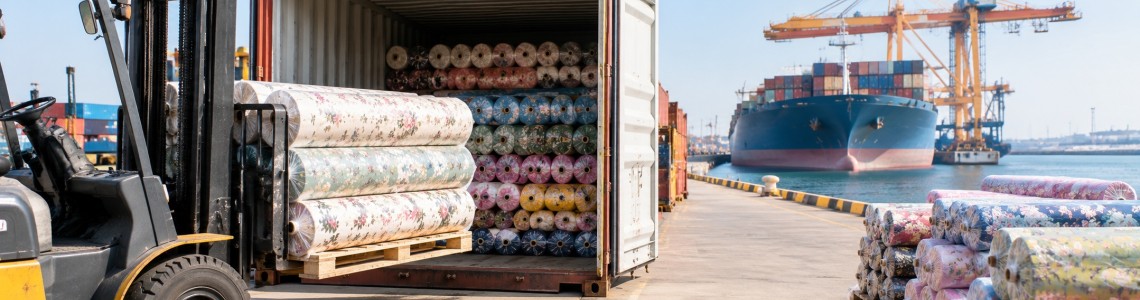
Importing fabric from Bangladesh for the first time involves more moving parts than most buyers expect — supplier vetting, samples, shipping terms, and documentation all have to line up before a single roll leaves the country. This guide walks through the process end to end, and the mistakes that trip up first-time buyers most often.
On This Page
Why Buyers Source Fabric From Bangladesh
Bangladesh is one of the world's largest textile and garment exporters, with a manufacturing base built specifically around cotton weaving, finishing, and printing at scale. That established infrastructure generally translates into more competitive pricing and shorter lead times than smaller or newer textile markets, particularly for cotton-based fabric and digital or screen-printed designs.
"The industry infrastructure is the advantage — your job is finding the right supplier within it."
Vetting a Supplier Before You Commit
Ask for a business registration or trade license, and check whether the supplier has an established online presence with real product photography rather than only stock catalog images. A supplier willing to arrange a video call or share production facility photos is generally a stronger sign of legitimacy than one who avoids direct contact. It's also worth asking directly about their fabric base and printing method — see Trativaa's printing methods comparison if you're unsure which to ask for based on your order size.
Always Start With Samples
No first order should skip a physical sample stage, regardless of how good photos or a portfolio look — fabric weight, color accuracy, and print detail are genuinely difficult to judge from images alone. Order samples of the actual fabric base you intend to order in bulk, not just a general swatch, since GSM and weave can vary meaningfully between a supplier's product lines.
Understanding Incoterms and Who Pays for What
Incoterms define exactly where the supplier's responsibility ends and yours begins — FOB (Free On Board) means the supplier covers costs up to loading the goods onto the ship at the origin port, after which shipping, insurance, and import costs become the buyer's responsibility. CIF (Cost, Insurance, and Freight) shifts more of that cost onto the supplier's side, usually reflected in a higher unit price. Confirm which term a quote is based on before comparing prices between suppliers, since a lower per-meter price under FOB isn't directly comparable to a higher price already including CIF shipping.
Documentation You'll Need
- Commercial invoice, detailing quantity, unit price, and total value
- Packing list, itemizing how goods are packed and by roll or carton count
- Certificate of origin, if required by your country's customs authority
- Bill of lading (sea freight) or airway bill (air freight)
- Any product-specific compliance documents your destination country requires for textile imports
Common First-Order Mistakes
The most common first-order mistakes are skipping the sample stage to save time, not confirming Incoterms before comparing quotes, and underestimating total lead time by forgetting to add shipping transit on top of production time. Building in extra time on a first order — rather than ordering against a tight deadline — gives room to catch any issues before they become urgent.
Start With a Sample Order
Request cotton digital print fabric samples before committing to a bulk order.
View Export DetailsFrequently Asked Questions
Should I always order a sample before a bulk order?
Yes — fabric weight, color, and print detail are hard to judge from photos alone, and a sample is a small cost compared to a bulk order that doesn't meet expectations.
What's the difference between FOB and CIF pricing?
FOB means the supplier's cost ends once goods are loaded at the origin port; CIF includes shipping and insurance in the supplier's price. Always confirm which term a quote uses before comparing prices across suppliers.
How long should I budget for a first import order?
Add production lead time and shipping transit time together, then build in extra buffer for a first order specifically, since unfamiliar processes tend to surface small delays a repeat order wouldn't.
A first fabric import from Bangladesh goes smoothly when the basics are handled in order — a vetted supplier, a real sample, clear Incoterms, and complete documentation. Get those right, and repeat orders become considerably faster and simpler.
How To Import Fabric From Bangladesh Sourcing Fabric Bangladesh Textile Supplier Vetting Incoterms Fabric Import Wholesale Fabric Documentation
Leave a Comment